
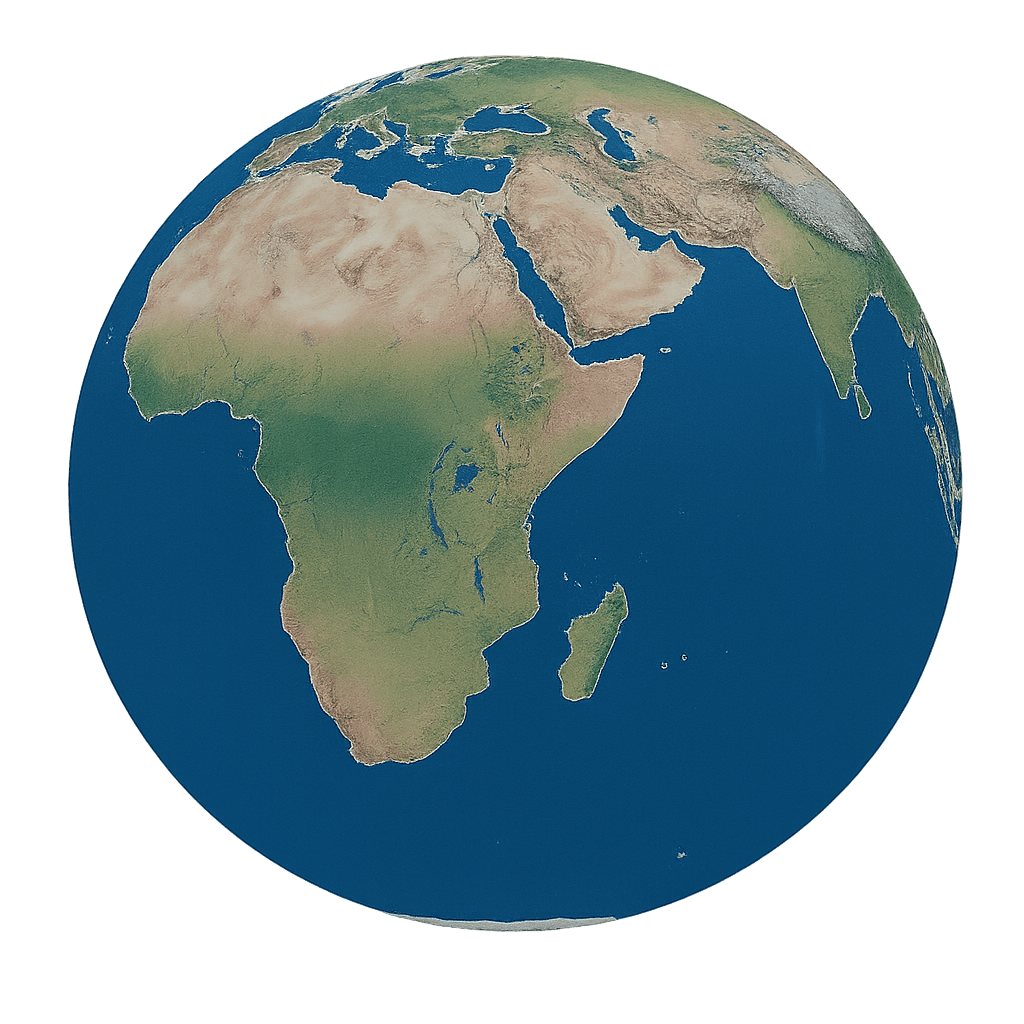
Four finalists unveiled for the 2026 Africa Prize for Engineering Innovation

2026 Africa Prize Finalists

Alice Muhuhu, MoyoECG, Africa Prize Finalist
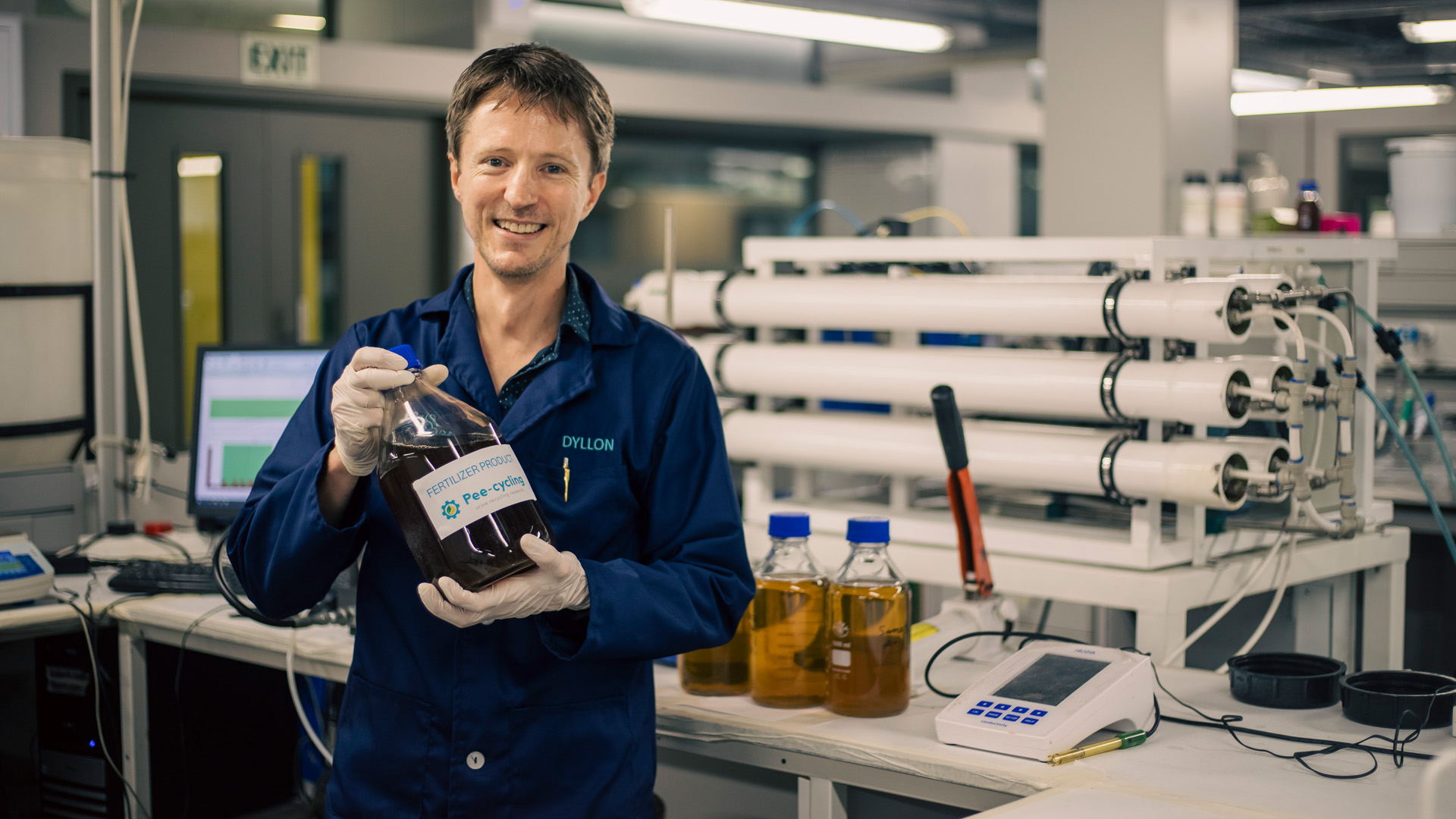
Dyllon Randall, Pee-Cycling, Africa Prize Finalist

Mamane Kabirou, Likita Care, Africa Prize finalist
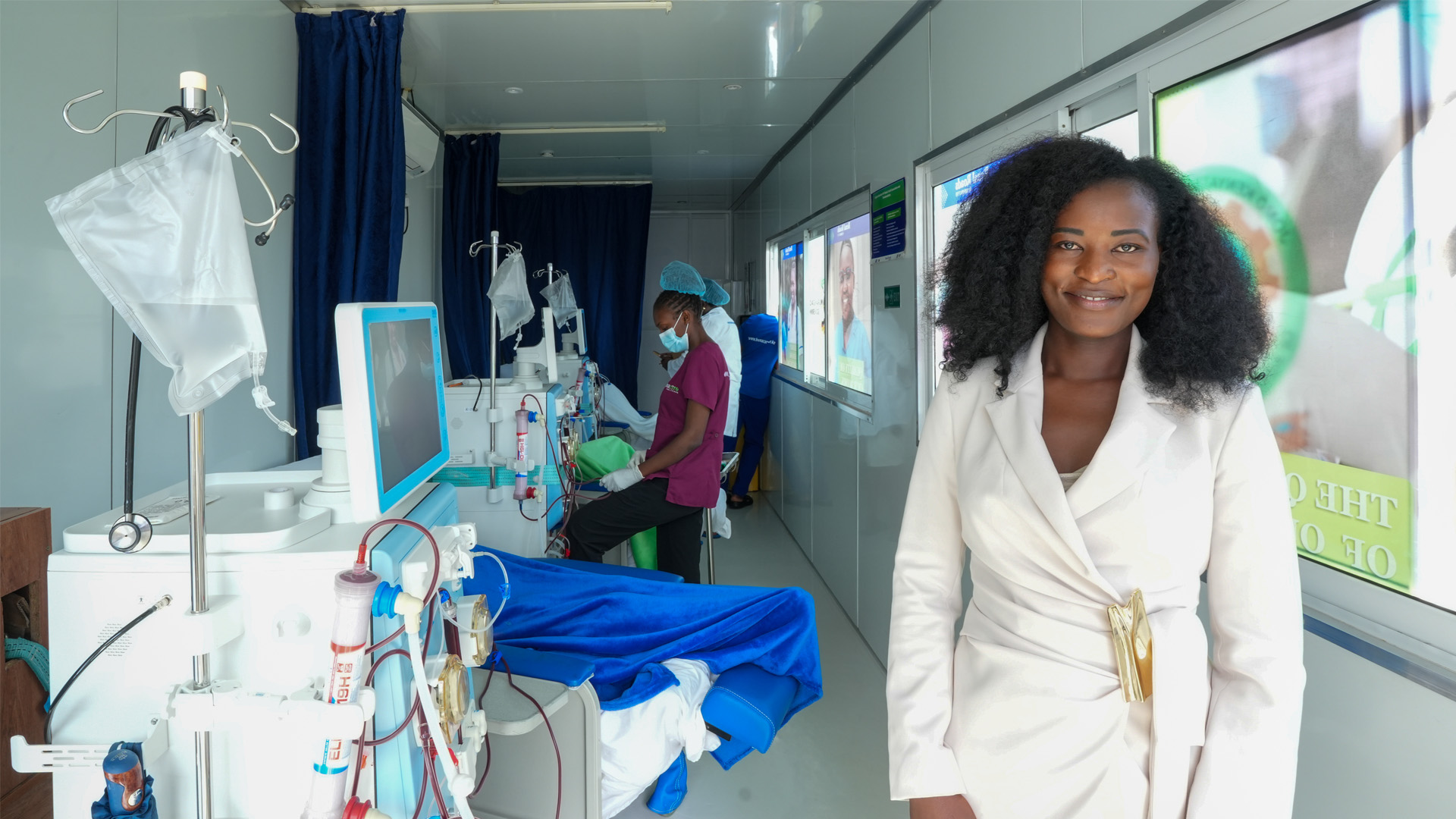
Naom Monari, Renal Roads, Africa Prize finalist
The four finalist innovations selected from the 2026 cohort include a urine-to-fertiliser recovery system, a cutting-edge mobile dialysis unit, a portable AI-enabled electrocardiogram platform and a locally manufactured, integrated medical monitoring system. Their founders will pitch to a panel of judges at the 2026 Africa Prize Final hosted by former professional rugby union player, Bryan Habana, on 28 October in Johannesburg, South Africa, where one will be awarded the £50,000 Africa Prize, and the other three will each receive £10,000.
Rebecca Enonchong FREng, Chair of the Africa Prize judging panel, said:
“This year’s shortlist is a strong demonstration of the extraordinary depth of engineering talent across the continent. Every entrepreneur has brought something different to the Africa Prize, with innovations spanning across different sectors, countries and societal challenges.
“Our four finalists should be incredibly proud to have reached this stage. Each of their innovations provide solutions to very different challenges, but show what is possible when engineering is shaped by a clear understanding of a given problem in its local context. I’m excited to see them present their work in Johannesburg, and to celebrate the talent and innovation represented across the entire shortlist.”
Meet the 2026 finalists:
Mamane Kabirou Ousseini is the first engineer to be selected from Niger to participate in the Africa Prize programme. He founded and developed Likita Care, an integrated, locally manufactured medical monitoring platform that provides healthcare workers with reliable, maintainable tools for patient, cardiac and prenatal monitoring.
Likita Care combines connected hardware, clinical software and local digital fabrication. Its platform includes a cardiograph, cardiotocograph and temporal thermometer, tracking 12 vital sign parameter indicators across adults, neonates and foetuses. A central software dashboard supports telemedicine, digital clinical protocols and simultaneous monitoring of 10 to 20 patients, while an embedded AI module interprets vital signs in real time. Devices are produced in Niger using 3D printing, CNC cutting and electronics assembly, making repairs faster and reducing dependence on imported systems.
Following local validation and clinical testing with more than 100 patients and over 4,000 collected data points, the team has produced and deployed more than 70 monitoring units in Niger. Five medical centres are actively using the technology, with hospitals reporting strong feedback, repeat orders and responsive after-sales support, including on-site fixes within 24 hours where needed.
The company is now preparing for its next phase of growth. It is working on plans for a manufacturing facility in Niger to support higher-volume production and, for the first time, is exploring expansion beyond its home market, with opportunities in neighbouring countries under active consideration.
Dyllon Randall, a South African chemical engineer co-founded Pee-Cycling, a modular urine-to-fertiliser recovery system that conserves potable water, recovers valuable nutrients and reduces reliance on imported fertiliser.
Pee-Cycling collects urine through purpose-built waterless urinals or no-mix toilets, stabilises it to prevent nitrogen loss and uses pretreatment and reverse osmosis to create concentrated, nursery-grade liquid fertiliser and clean reusable water. Unlike evaporation-based alternatives, the system removes water without converting it to steam, reducing the need for energy. A full-scale unit occupying approximately 12 to 15 square metres can process up to 3,000 litres of urine per day, while every 1,000 litres processed saves around 2,000 litres of potable water.
Since joining the 2026 Africa Prize programme, Dyllon has taken Pee-Cycling from pilot stage into real-world operation. Its plant at Cape Town Stadium is now fully operational, and Pee-Cycling has signed its first commercial client, Bidvest Prestige, to operate and maintain the system. Delivered with Bidvest Prestige and the City of Cape Town, the project collected 3,600 litres of urine during the South Africa vs New Zealand rugby game alone and has been included in the City of Cape Town’s stadium tender for three years. Pee-Cycling also won first place at the FNF Afri GreenPitch Challenge 2026, organised by GreenCape.
Kenyan finalist Naom Monari started her journey as a student nurse in 2017 and has since focused on improving access to chronic care in rural communities and areas afflicted by health insecurity. Her shortlisted innovation, Renal Roads, is a fully equipped mobile dialysis clinic designed to bring regular, life-saving treatment closer to patients in rural and hard-to-reach communities.
Renal Roads is built inside a repurposed 40-foot shipping container mounted on a trailer and operates from local government health facilities on a fixed weekly schedule. The unit contains four secured dialysis machines, reclining chairs, an emergency area, a reverse osmosis water-treatment system, integrated plumbing, controlled drainage, solar power and backup systems. On average it visits three communities each week and can provide up to 400 dialysis sessions per month, with treatment reimbursed through Kenya’s national health insurance.
Since being shortlisted for the Africa Prize, Renal Roads has partnered with Nipro Medical, a leading Japanese dialysis equipment manufacturer, to improve access to dialysis in Kenya. It has also received funding from the World Diabetes Foundation to expand access to mobile dialysis.
Alice Muhuhu, a Kenyan medical doctor and entrepreneur, developed MoyoECG, a portable, cardiac monitoring platform designed to help frontline healthcare workers identify potential heart conditions and make timely referrals, particularly in clinics with limited access to specialist cardiac care.
MoyoECG combines a wearable, wireless multi-lead ECG with embedded AI to capture and analyse the heart’s electrical activity. It can recognise patterns associated with more than 50 cardiac conditions and abnormalities, including atrial fibrillation, tachycardia, bradycardia, ventricular arrhythmias, conduction abnormalities and signs associated with cardiac ischemia. By detecting abnormalities such as atrial fibrillation, it can also help identify patients at increased risk of complications including stroke and heart failure. Early pilots have reduced ECG interpretation time from around 30 minutes to under five minutes, including in settings with unreliable internet connectivity.
MoyoECG has already received international recognition as the Qualcomm Make in Africa winner. The innovation has also received support and recognition from organisations such as the University of Oxford, Novartis, the Global Fund, Standard Chartered Bank and Kenya Cardiac Society.
Since launching in 2014, the Africa Prize for Engineering Innovation has supported more than 180 businesses from 24 countries with invaluable training, mentoring and communications support. Today, 85% of alumni are generating revenue, and together they have secured more than $34 million in third-party grants and equity funding.
The Africa Prize Final, supported by Anglo American, will take place on 28 October at NH Johannesburg Sandton in Johannesburg and will feature an address by Lisa Weedon, Acting High Commissioner for the United Kingdom to South Africa. The four finalists will pitch their innovations to a panel of judges and an audience attending both in person and online. The remaining shortlisted innovators will also showcase their innovations and compete for the £5,000 One-to-Watch Award, decided by audience vote. Visit the Royal Academy of Engineering website for more information about the event and how to register to attend online or in-person.
Sofía Costa Navarro
The Wilful Group
email us here
Legal Disclaimer:
EIN Presswire provides this news content "as is" without warranty of any kind. We do not accept any responsibility or liability for the accuracy, content, images, videos, licenses, completeness, legality, or reliability of the information contained in this article. If you have any complaints or copyright issues related to this article, kindly contact the author above.
